CEAL supports programs that conduct community-engaged research in various areas of public health in which communities and populations are disproportionately affected by specific diseases, disorders, or conditions. CEAL programs are collaborative partnerships across multiple NIH Institutes and Centers.

Chronic diseases and conditions

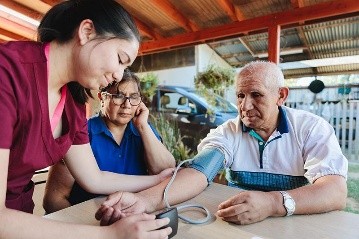
Chronic diseases affect millions of people across the United States often resulting in missed school, missed work, and reduced quality of life. CEAL research teams are working with communities to better understand the factors that contribute to conditions such as heart disease, diabetes, and asthma, and to identify practical, community-driven solutions for prevention and management. By focusing on local priorities and experiences, researchers are identifying and testing strategies that work within specific communities to support healthier lives.

Image
Community-specific differences in health outcomes

Data show that some communities experience poorer health outcomes than others. There are key health indicators and varying barriers to care that render these communities overall less healthy. Factors such as access to care, access to healthy food and places to be active, transportation, education, environment, and economic stability can shape health outcomes. CEAL research teams partner directly with communities to examine these patterns and co-create solutions that reflect local needs, strengths, and priorities. Through this work researchers are identifying opportunities to improve health where it is needed most.

Image

Rigorous, meaningful community-engaged research

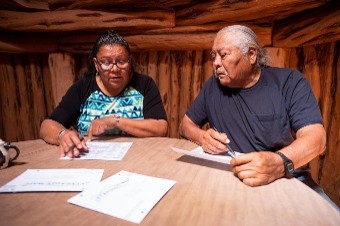
CEAL offers a range of supports to help ensure that research teams engage communities in meaningful ways throughout the research process. CEAL also provides resources supporting rigorous scientific approaches to improve public health. This work results in community-driven solutions that are tested and can be further tested in other communities or setting, and ultimately scaled to other populations or similar areas of the country. CEAL promotes partnerships where through research efforts knowledge is gained and shared by researchers and community partners. These lessons learned are subsequently shared through knowledge exchanges across the CEAL network and beyond. Research dissemination tools like toolkits to address specific needs and challenges in community-engaged research, and trainings to guide clear and consistent approaches for the return of research findings are made available for others.

The Community Engagement Alliance Consultative Resource (CEACR) offers consultations to develop additional tools and resources that advance meaningful, scientifically rigorous community-engaged research.

Image

Food and nutrition

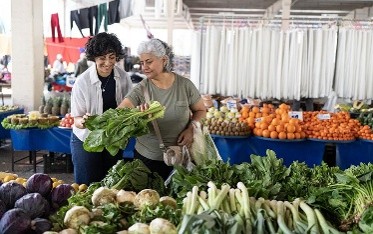
Many communities in the United States have identified improving access to healthy food as a critical regional priority. For this reason, the research of many CEAL teams focuses on diet-related chronic diseases and the interconnected social factors that contribute to them. Through this work, CEAL research teams are not only exploring how access to nutritious food is linked to health but are also collecting data to test effective local strategies to improve health outcomes.

Image

Health and extreme weather

For researchers to understand how stressors stemming from extreme weather impact health in a region, it is critical to work closely with communities. Current research teams are studying how to mitigate the impacts of extreme heat; poor air quality, including from wildfire smoke; and water-related harms to improve health outcomes and community resilience.

Image

Maternal and child health

Maternal health outcomes vary widely across communities. CEAL research teams are identifying ways to improve health care and outcomes for mothers before, during, and after pregnancy. This work centers community voices to support women and their medical providers to promote safer, healthier pregnancies nationwide.

Image

Primary care research

Research in primary care settings has the potential to understand effective interventions that might impact health systems on a large scale. This research seeks to find and implement promising approaches within community health facilities to address differences in health outcomes. The trusted voices of health care providers can be used to engage patients within their communities, address gaps in health knowledge and social factors that impact health outcomes and build trust in science and the benefits of research.

Image

Rural health

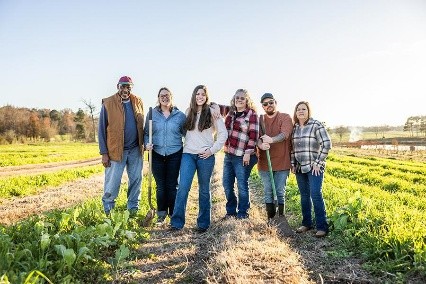
Rural areas face significant public health challenges that contribute to worse health outcomes for residents compared to those living in other areas of the country. Yet these communities are also rooted in strengths, including a deep knowledge of what works best for them. Community partners and academic researchers co-located in rural areas of the country are joining forces across CEAL to study the most promising ways to access to physical and mental health care services and information, social connections with others, food resources, and much more. These research teams leverage the power of the community partners’ rural voices and their lived experiences to uncover and test strategies for identify the most effective approaches for improving health outcomes in rural communities.

Image

Community engagement in genomics

Scientists study the human genome—the body’s DNA instruction manual—to understand how genes relate to each other and to their environment, and how differences in DNA can lead to health differences. For everyone to benefit from these scientific advances, genomics research should reflect the data, priorities, and interests of all people. Community engagement in genomics involves sustained relationships between community and academic partners across the research process; increased trust around genomics research; and meaningful collaboration to accelerate genetics and genomics research for health and chronic conditions.

Image